Top 10 Font Trends Taking Over American Design in 2025
19/08/2025

Top 10 Font Trends Taking Over American Design in 2025
Typography is experiencing a revolution in 2025, and American designers are leading the charge with bold, innovative font choices that break away from years of predictable design. From the rebellious spirit of anti-design typography to the warm embrace of handcrafted letterforms, this year's trends reflect a desire for authenticity, personality, and human connection in our increasingly digital world.
Whether you're a startup founder looking to differentiate your brand, a designer seeking fresh inspiration, or a marketer planning your next campaign, understanding these typography trends will help you create designs that truly resonate with American audiences. Let's dive into the 10 font trends that are reshaping the design landscape across the United States.
1. Variable Fonts: The Swiss Army Knife of Typography
Variable fonts are revolutionizing how American designers approach responsive design. These intelligent typefaces allow you to adjust weight, width, and other attributes within a single font file, making them perfect for everything from mobile apps to billboard advertisements. Major brands like Spotify and Netflix are already leveraging variable fonts to create seamless experiences across all devices.
The efficiency benefits are undeniable – faster loading times, consistent typography across platforms, and the creative freedom to fine-tune your text for any context. For American businesses focused on digital-first strategies, variable fonts represent both cost savings and improved user experience.
2. Handwritten Fonts: Authenticity in a Digital Age
In 2025, handwritten fonts have reached new levels of sophistication while maintaining their personal charm. These fonts capture the organic flow and imperfections of human handwriting, complete with realistic ligatures and textured brush strokes. American brands are using handwritten typography to cut through the noise of overly polished digital communications.
Think beyond just cafes and boutiques – tech startups, healthcare providers, and even financial services are incorporating handwritten elements to appear more approachable and trustworthy. The key is strategic application: use handwritten fonts for headlines, signatures, or accent text rather than body copy.
3. Bold Condensed Typography: Making a Statement
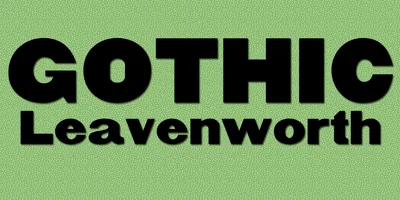
American designers are embracing bold, condensed fonts that command attention without sacrificing readability. These typefaces draw inspiration from brutalist architecture and industrial design, offering a no-nonsense approach that resonates with efficiency-focused American culture.
Perfect for headlines, posters, and brand names, condensed bold fonts work exceptionally well in minimalist layouts. They're particularly popular among American fashion brands, architectural firms, and tech companies that want to project strength and reliability.
4. Retro Revival Fonts: Nostalgia Meets Modernity
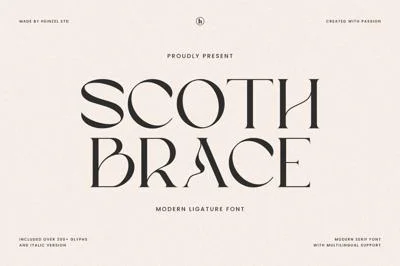
The fascination with past decades continues to influence American typography in 2025. However, this isn't just about copying vintage designs – it's about reimagining classic letterforms with contemporary functionality. Art Deco influences are particularly strong, bringing geometric elegance to luxury brands and entertainment companies.
American designers are mining the rich typography heritage of the 1970s, 80s, and 90s, but updating these styles for digital applications. This trend works especially well for brands targeting millennial and Gen X consumers who have emotional connections to these aesthetic periods.
5. Organic Serif Revival: The Return of Character
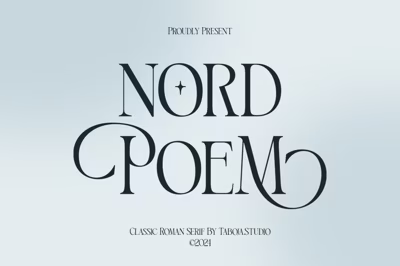
After years of sans-serif dominance, serif fonts are making a sophisticated comeback in American design. But these aren't your traditional Times New Roman serifs – they're organic, quirky, and full of personality. Modern serif fonts feature softer curves, playful details, and unique character variations that add warmth to digital communications.
American media companies, publishing houses, and luxury brands are leading this revival, using contemporary serifs to establish credibility while maintaining approachability. The key is choosing serifs that feel fresh and current rather than stuffy or academic.
6. Inflated 3D Typography: Dimension and Depth
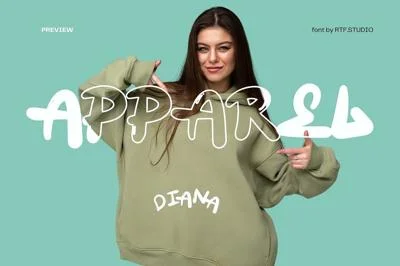
Three-dimensional typography is evolving beyond simple drop shadows and bevels. In 2025, American designers are experimenting with "inflated" fonts that appear almost balloon-like, creating eye-catching headlines and social media graphics that literally pop off the screen.
This trend is particularly popular in entertainment, gaming, and youth-oriented brands. The playful nature of inflated typography makes it perfect for grabbing attention in crowded digital spaces, from Instagram posts to video thumbnails.
7. Kinetic Typography: Text in Motion
With video content dominating American marketing strategies, kinetic typography has become essential for creating engaging social media content, explainer videos, and digital advertisements. These animated fonts transform static text into dynamic storytelling elements.
American brands are using kinetic typography not just for decoration, but as a core communication tool. The movement itself conveys meaning – quick animations for urgent messages, smooth transitions for luxury brands, and bouncy effects for playful companies.
8. Anti-Design Fonts: Embracing Imperfection
The anti-design movement is gaining serious traction among American designers who are tired of pixel-perfect aesthetics. These fonts intentionally break traditional design rules with irregular spacing, unconventional proportions, and deliberately "ugly" characteristics.
This trend appeals to American brands wanting to appear authentic and unpolished in a world of social media perfection. Independent artists, alternative fashion brands, and counterculture movements are particularly drawn to anti-design typography.
9. Brutalist Typography: Raw and Uncompromising
Brutalist fonts strip away decorative elements in favor of raw, utilitarian design. These typefaces reflect the American appreciation for function over form, offering maximum impact with minimum fuss.
Tech companies, architectural firms, and modern art institutions are gravitating toward brutalist typography for its honest, straightforward communication style. The lack of ornamentation allows the message to take center stage.
10. Custom Brand Typography: Uniqueness at Scale
More American companies are investing in custom typography as a differentiating factor. Rather than relying on widely available fonts, brands are commissioning unique typefaces that can't be replicated by competitors.
This trend extends beyond Fortune 500 companies – mid-sized businesses are also recognizing the value of proprietary fonts for building distinctive brand identities. Custom typography provides the ultimate competitive advantage in crowded marketplaces.
Choosing the Right Trend for Your Project
Not every trend will suit every project or brand. Consider your audience, industry, and communication goals when selecting typography. American consumers increasingly expect brands to have distinct personalities, and your font choices play a crucial role in expressing that character.
The most successful American brands in 2025 will be those that thoughtfully combine multiple typography trends, creating unique visual languages that speak directly to their target audiences. Remember, great typography doesn't just look good – it enhances communication and builds emotional connections with your audience.
As we move through 2025, these font trends will continue evolving, but their core message remains clear: American design is embracing diversity, personality, and authentic expression through bold typography choices.